
The exact maintenance interval follows the MG9200 Max manual, running hours, yarn type and mill environment. Daily work should still follow one stable logic: verify safety, inspect the yarn and air paths, observe the machine, clean correctly and record exceptions.
BEFORE START
Confirm safety, utilities and the weaving path
Review the shift record and approved fabric recipe. Confirm guards and emergency stops, inspect the warp and weft supply, check the reed, heddles and yarn guides, verify compressed-air and lubrication indications, and remove tools or loose material from the machine area.
START AND MONITOR
Use slow motion before normal production
After the area is clear, use the approved inching or slow-run procedure to observe shedding, insertion, beat-up, let-off and take-up. During production, watch warp tension, weft arrival, selvedges, cloth surface, air leakage, vibration, abnormal noise and repeated alarms. Stop safely when the pattern changes.
CLEAN AND LUBRICATE
Prevent lint, leakage and wear from changing the process
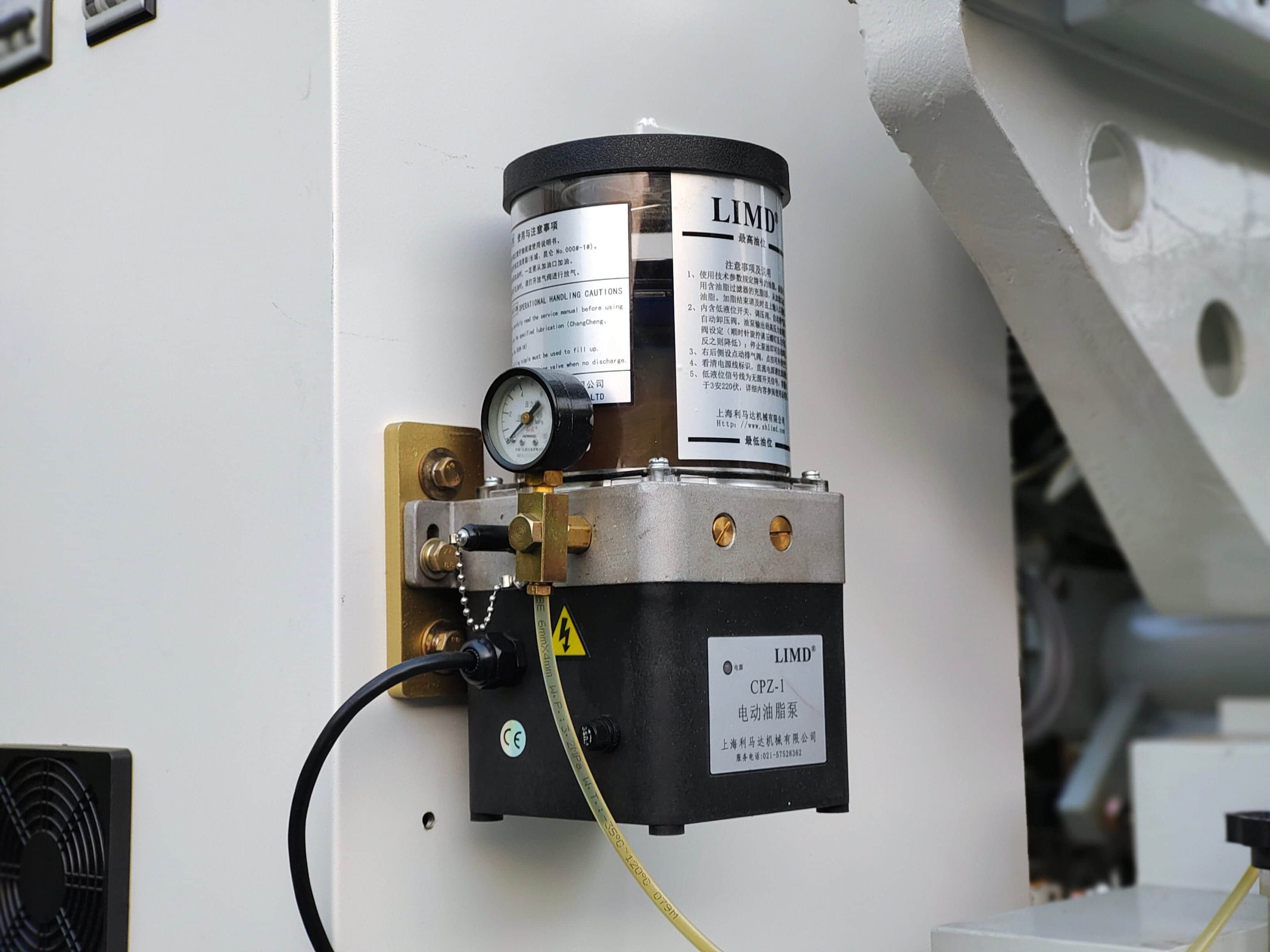
Clean the profiled reed, nozzles, guides, heddles, sensors and surrounding surfaces with approved tools and methods. Drain and inspect air-treatment equipment as specified, check tubing and joints for leakage, and maintain lubrication level and distribution according to the machine schedule. Never clean or reach into moving zones.
RECORD AND ESCALATE
Turn repeated stops into maintenance evidence
Record output, stop type, location, repairs, recipe changes and unusual noise, temperature or vibration. Repeated faults should trigger root-cause review instead of repeated resetting. Qualified maintenance personnel should handle internal mechanical, pneumatic, electrical and safety-system work.
Plan operation, training and spare parts together
JETMECH can review commissioning conditions, operator training, maintenance planning and critical spare parts with the confirmed MG9200 Max configuration.